
Most teams do not become slow overnight. They follow a predictable loop that feels productive but creates long-term drag. This cycle is so common that nearly every engineering organization has experienced it at some point.
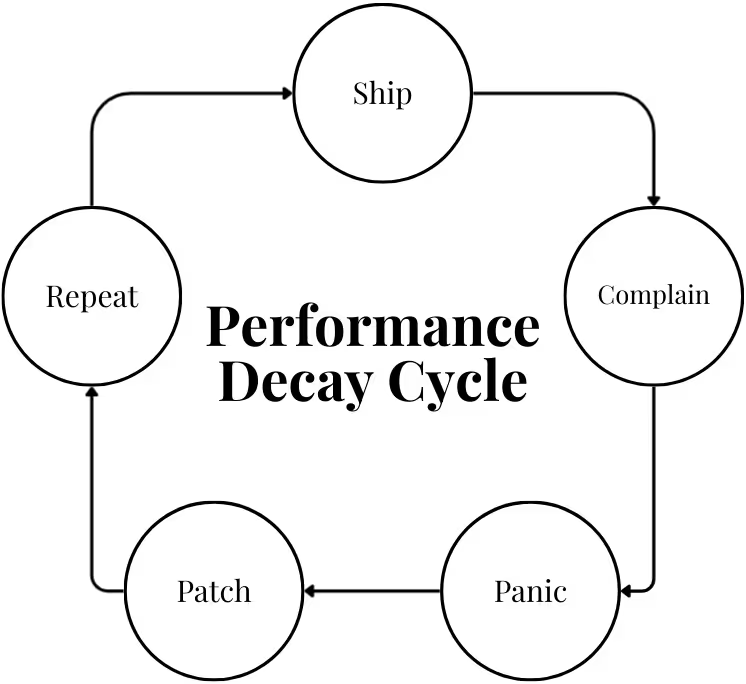
The Five Stages
- 1 Ship features quickly.
The team moves fast, delivering new functionality. Performance considerations take a back seat to feature velocity. Technical debt accumulates quietly.
- 2 Users complain about slow or broken experiences.
Support tickets arrive, metrics dashboards turn red, and users start leaving for competitors as the accumulated debt becomes visible.
- 3 Teams panic and patch symptoms.
Teams rush into emergency fixes and all-hands firefighting, making quick patches that address symptoms without touching root causes. The codebase grows more complex with each fix.
- 4 Performance improves temporarily.
The immediate crisis passes and dashboards stabilize. Leadership breathes a sigh of relief, and the team returns to shipping features.
- 5 The cycle repeats as complexity grows.
Each iteration leaves the system slightly more fragile, the time between crises shortens, and the patches become less effective as the cycle accelerates.
Breaking the Cycle
Fast by Default replaces this reactive loop with a disciplined, repeatable system where performance improves as part of normal work rather than emergency work. Instead of treating speed as something to fix later, it becomes a natural outcome of how the team builds software every day.